Mass General Brigham clinicians aid Venezuelans after deadly earthquakes
On June 24, 2026, two large-scale earthquakes hit northwestern and central Venezuela, leaving thousands dead and tens of thousands injured.
When disasters of this kind strike, healthcare workers associated with United States government agencies, United Nations agencies and non-governmental organizations (NGOs) spring into action, collaborating with the host country government to offer their services to people in need of urgent medical attention.
In the case of the disaster in Venezuela, among those deployed were several Mass General Brigham clinicians.
Lindsey Ryan Martin, DNP, MSN, RN, AGACNP, is the director of the Massachusetts General Hospital Center for Global Health Global Disaster Response and Humanitarian Action. Jacquelyn Nally, BSN, MA, RN, CEN, CPEN, NHDP-BC, is a nurse in the Emergency Department at Newton-Wellesley Hospital and serves as senior program manager for the Center for Disaster Medicine. Both deployed through the International Medical Corps. Nellie Dustin Darling, MD, MS, works as a physician in the Emergency Department at Massachusetts General Hospital where she is also is the Disaster Medicine and Healthcare Emergency Management fellow. She deployed through Team Rubicon. Erica Nelson, MD, MPhil, MAS, works as a physician in the Emergency Department at Brigham and Women’s Hospital and is the medical director for Team Rubicon.
‘When in distress, every person is our neighbor’
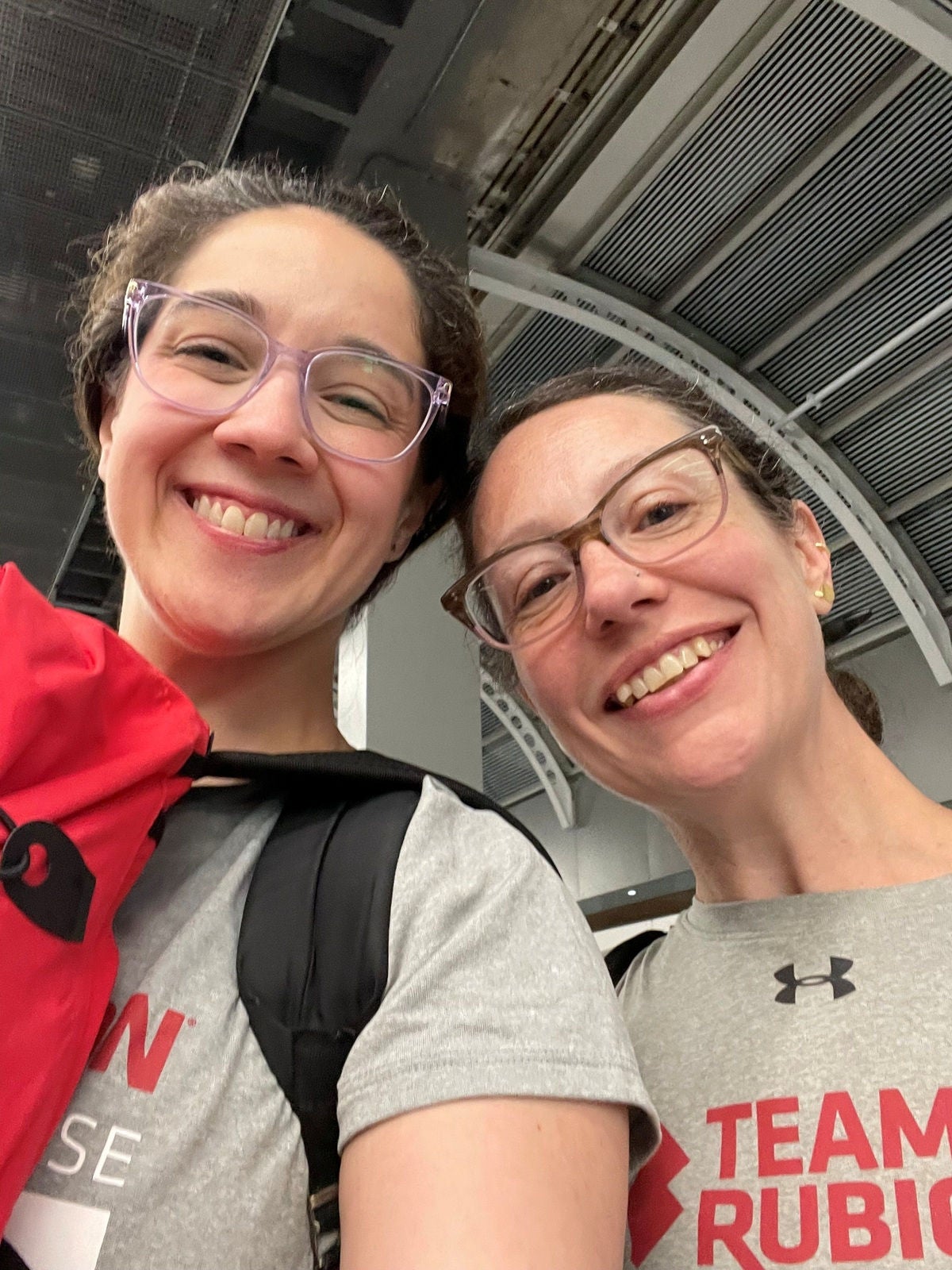
Natural and man-made disasters cannot be predicted. When they hit, response often is needed immediately, leaving little time to prepare. Before deploying to Venezuela, Martin, Nally, Darling and Nelson all had to scramble to find colleagues to cover their hospital shifts and to pack up and leave their loved ones behind in an instant. Their motivation comes from a commitment to mission-driven work.
“‘When in distress, every person is our neighbor,’” Martin said, quoting the founding motto of Massachusetts General Hospital. “I believe there are no geographic limitations to the definition of ‘neighbor.' We have a responsibility to care for communities impacted by emergencies, both locally and globally.”
There is also an element of personal passion for helping others that motivates humanitarians.
“Disaster response has been a passion of mine for many years. Through my extensive experience in emergency nursing and field-hospital operations both with Massachusetts General Hospital Global Disaster Team, the Massachusetts General Hospital Disaster Medical Team and the federal NDMS Disaster Medical Team MA-1, I have seen how important it is to bring organized, compassionate care to people during some of the most difficult days of their lives,” Nally said. “What drives me is knowing that even in an overwhelming situation, we can provide not only medical care but also comfort, dignity and reassurance. It is incredibly meaningful to help restore a sense of safety and hope for people whose lives have suddenly been disrupted.”
Darling shares that personal passion.
“The idea of helping people on the absolute worst days of their lives is what drew me to emergency medicine in the first place,” she said. “In my view, disasters are truly an extension of emergency medicine in some of the most resource limited and extreme environments.”
What were the conditions like in Venezuela?
When Nelson checked into her hotel in Caracas, she found the environment to be relatively unphased by the earthquakes. She described being able to eat in restaurants and observe people going about their normal lives.
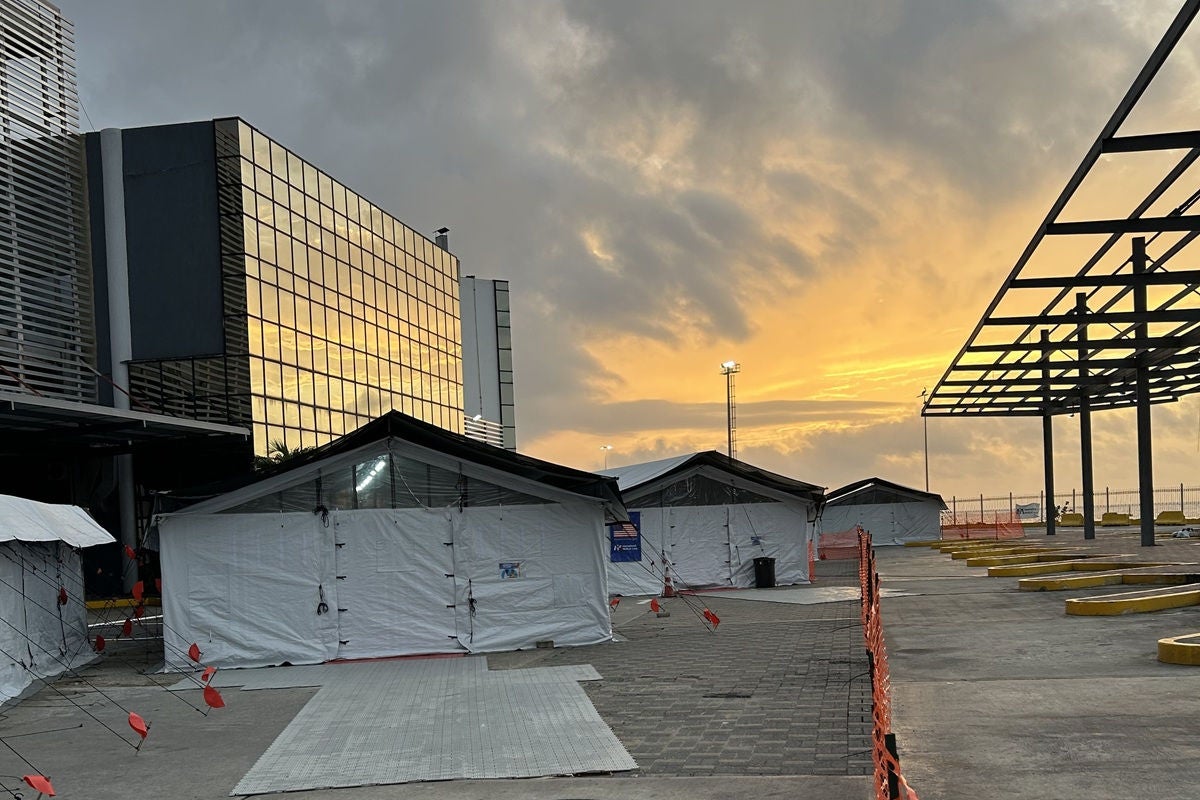
“Then we drove for 45 minutes or so on our way to the field hospital and it felt like a war zone,” she said. “Everything was collapsed. People were living on the side of the road. People were living in tents.”
When they first arrived, Nelson and Team Rubicon were seeing mostly patients with traumatic, earthquake-related injuries. As the days wore on, more and more patients presented with chronic conditions like diabetes, hypertension, heart failure and others, exacerbated by lack of access to their medications, doctor’s appointments and other basic resources.
Toward the end of their deployment, the impact of poor water quality and dust from the rubble became a concern with patients presenting with gastrointestinal complaints and respiratory concerns. Mixed in were a number of patients who just needed to feel heard and cared for.
“They would come to us saying their ear hurt. So we would take care of their ear, but we would also just listen and offer whatever emotional support we could under the circumstances,” Nelson said.
The need for emotional support was unsurprising given the conditions and the complex operating environment on the ground.
“The earthquake compounded the crisis of a backlog of healthcare needs and strained a system with limited resources,” Martin said. “Many people were displaced from their homes, basic services were interrupted and the physical and mental health needs were overwhelming. Despite these challenges and other geo-political strains, we were warmly welcomed by our colleagues and the local communities.”
Communication and coordination are the most valuable resources
During a humanitarian response of this nature, it’s the responsibility of each individual team to assess their own resources.
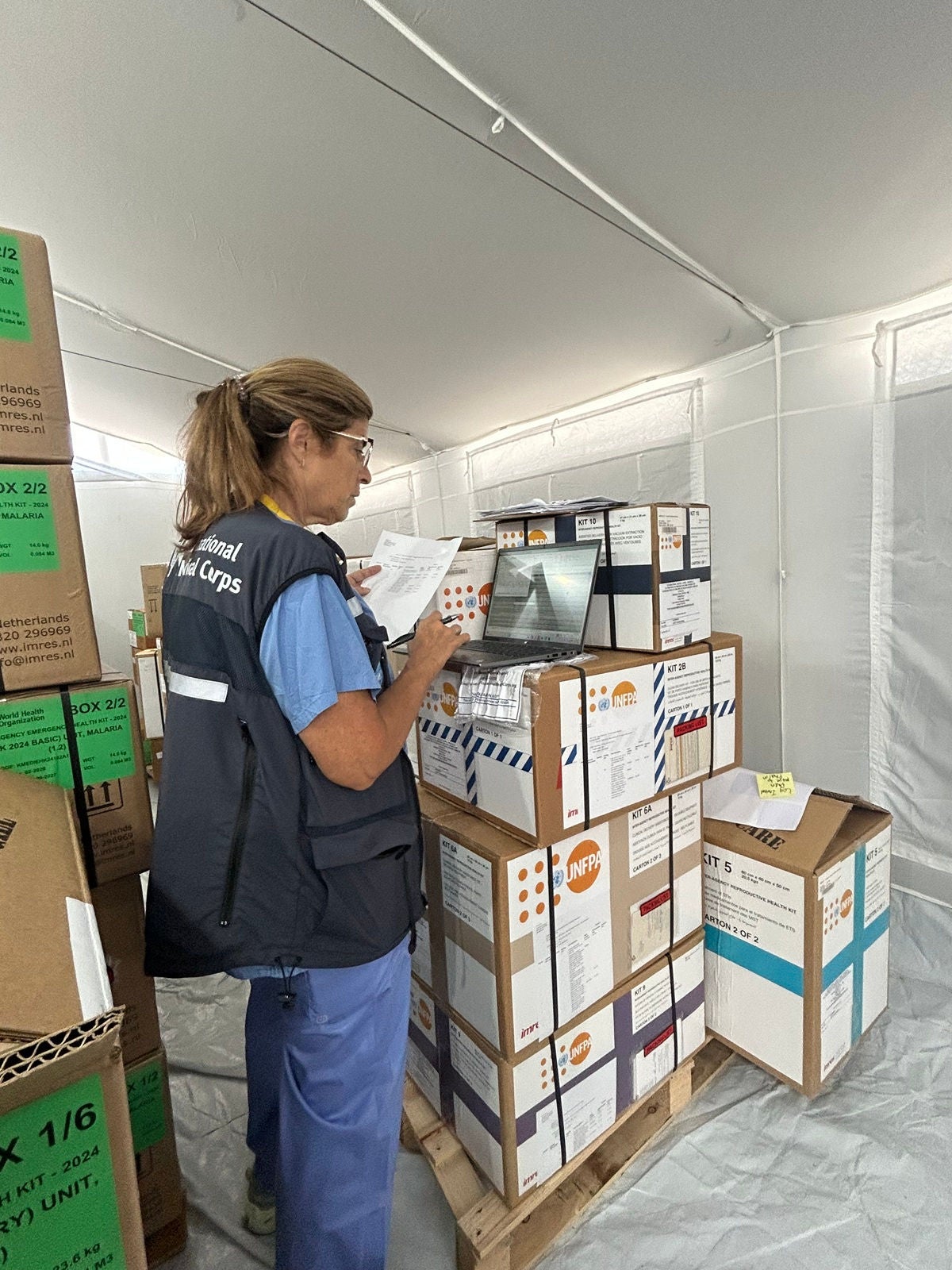
In her role, Nally partnered with clinical, pharmacy, operations and logistics teams to create a medical-logistics supply area within the field hospital helping to ensure clinical teams could consistently access the medications, equipment and supplies they needed.
“That is where I believe I had the greatest impact — helping transform a large arrival of supplies into an organized, reliable system that directly supported patient care,” she said. “We also helped establish a sustainable supply chain and operating process that could be transitioned to the Venezuelan team continuing the field hospital’s work.”
It’s also important for teams to familiarize themselves with the capabilities of others on the ground and the host government’s resources. To do that, efficient communication between teams is critical.
“It is essential to leverage the network of response organizations and partners in the field. That is a tall order because the landscape is truly dynamic. Every day, capabilities vary — for example, yesterday a facility may have been up and running, but today they have lost power and you have to adjust in real time,” Darling said.
Darling recalls one particular day in Venezuela when she was caring for a patient with pre-eclampsia who needed specialty OB-GYN attention — and potentially an operating room.
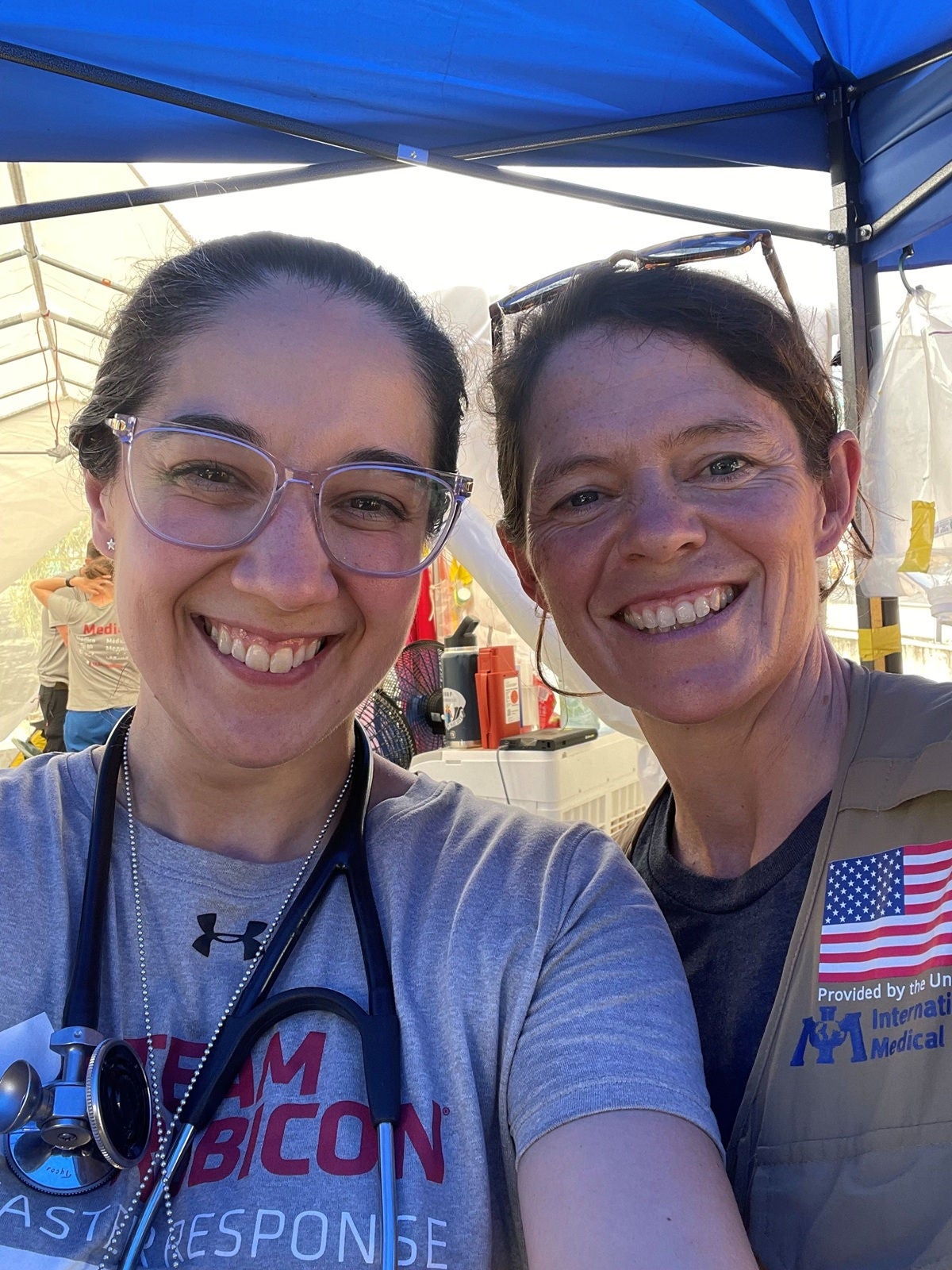
“Our team started making calls to determine which sites had the resources to take care of her that day. Once she was accepted to the labor and delivery referral center, we coordinated transport there with the International Medical Corps team. I was able to send my location to Lindsey Martin, and she helped arrange an ambulance to come to our Team Rubicon clinic and transport the patient where she needed to go,” she said.
“In a sense, this was akin to an EMS dispatcher sending an ambulance in the United States — but this happened in a place without any sort of EMS dispatch center or ambulance network. It was a truly a remarkable feat and a successful collaboration for extraordinary patient care in the midst of a disaster zone.”
Advice for fellow humanitarians
Martin, Nally, Darling and Nelson are all experienced humanitarians with proper training in critical care and emergency medicine.
“The Massachusetts General Hospital Center for Global Health partners with organizations like the International Medical Corps who provide logistical and operational support. They provide housing, medical equipment, transportation and other necessities for clinical care and self-sufficiency,” Martin said. “When I deploy with one of these groups, my deployment is supported by senior leadership and I have the security of direct access to the Center for Global Health’s health, safety and security resources, as well as my benefits as an employee. Every day on deployment is like a day at work in the hospital.”
Volunteering through the Massachusetts General Hospital Center for Global Health or directly through another qualified humanitarian organization is key.
“Don’t be a cowboy!” said Nelson, who has done this type of work for the better part of 20 years. “That’s my best advice. If you want to help, the best way to do that is by lending your skills to a team with resources to properly care for patients and keep you safe.”