Research Spotlight: Insights for treating neurodegenerative diseases from 20 years of induced pluripotent stem cell research
Q: What challenges or unmet needs make this study important?
Induced pluripotent stem cells (iPSCs) are derived from ordinary adult cells that scientists reprogram into a pluripotent stem cell state, allowing them to develop into many different types of cells in the body.
Despite two decades of progress in iPSC research, major challenges stand in the way of turning promising cell products into reliable treatments for neurodegenerative diseases. Current therapies may relieve symptoms or slow disease progression, but generally cannot replace lost neurons or rebuild damaged neural circuits.
Furthermore, post-transplantation processes are still not fully understood. Producing the “right” cells is only part of the challenge; after transplantation, cells must survive, mature, integrate with the patient’s brain and remain functional within an often inflammatory or disease-affected environment.
In addition, diseases such as Parkinson’s disease (PD), Huntington’s disease (HD), Alzheimer’s disease (AD) and amyotrophic lateral sclerosis (ALS) differ greatly in their biology, meaning that a single cell therapy strategy is unlikely to work for all of them.
Our review addresses these unmet needs by defining the biological challenges that must be solved for iPSC-based therapies to achieve durable clinical benefit.
Headshot of researcher Young Cha
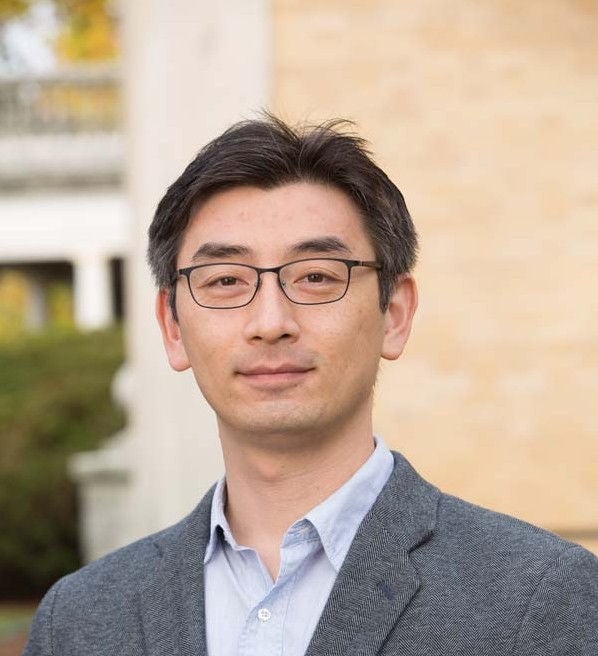
Young Cha, PhD
Q: What central question(s) were you investigating?
First, how should iPSC-based therapies be designed for different neurodegenerative diseases? Each disease has distinct patterns of cell loss, circuit disruption and disease progression. Rather than assuming one therapeutic strategy will fit all disorders, we examined how disease biology shapes the intended role of transplanted cells — whether to replace lost neurons, support vulnerable cells, modify the host environment or deliver therapeutic molecules.
Second, what determines whether a promising cell product will become a durable therapy after transplantation? We focused on the poorly understood biological processes between cell delivery and long-term engraftment, which we refer to as a biological “black box.”
Q: What methods or approach did you use?
We took a comparative, disease-focused approach, reviewing past advances in iPSC-based therapies across PD, HD, AD and ALS. Using PD as the leading clinical example, we examined existing literature to identify how differences in disease biology, like patterns of cell loss and affected neural circuits, shape the therapeutic role of transplanted cells.
We then compared key challenges in clinical translation across diseases, including cell source, product identity, manufacturing, immune compatibility, graft survival and long-term integration.
Finally, to better understand how a manufactured cell product becomes a functional graft in the patient, we developed a conceptual “transplantation biology” framework that organizes biological processes following transplantation of iPSC-derived cells.
Headshot of researcher Kwang-Soo Kim
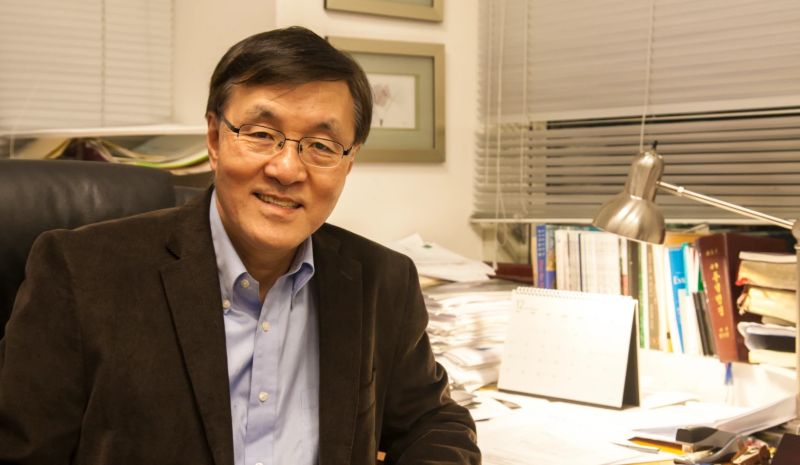
Kwang-Soo Kim, PhD
Q: What did you find?
iPSC-based therapy must be tailored to the biology of each neurodegenerative disease. PD is currently the most advanced model for neuronal replacement because it involves the loss of a relatively well-defined cell population, whereas HD, AD and ALS present broader or more complex challenges that may require combinations of cell replacement, cellular support, immune modulation or engineered therapeutic delivery.
We also found that the fate of transplanted cells is shaped significantly by what happens after delivery, including injury, immune and brain support cell responses, tissue remodeling, maturation, integration and exposure to ongoing disease pathology. These findings shift the focus from stem cell production alone toward understanding and engineering the biology of transplantation itself.
Q: What are the real-world implications, particularly for patients?
iPSC-based therapies may eventually offer something current treatments generally cannot: restoration or support of damaged neural systems, beyond symptom control. However, our review emphasizes that therapies need to be tailored to the biology of each disease and designed to ensure that transplanted cells survive, mature, integrate and remain functional for the long term.
Future clinical development should focus not only on manufacturing safe cell products, but also on controlling the biological environment after transplantation. A better understanding of these processes could help make cell therapies more predictable, durable and ultimately more beneficial for patients.
Q: What emerging trends in the field excite you right now?
What excites us most is a fundamental shift in the field asking how we can help iPSC-derived cells survive, mature and function after transplantation. We believe the next major advances will come from opening the biological “black box” between transplantation and long-term engraftment.
One especially promising direction is the ability to actively shape the graft-host environment. Transplantation itself can trigger tissue injury and inflammatory responses that eliminate many donor cells before they have a chance to function. Understanding and controlling these early events through methods like targeted immune modulation could substantially improve graft survival and long-term outcomes. Emerging single-cell and spatial profiling approaches, together with advanced imaging and immune monitoring, are giving researchers new ways to investigate these interactions.
We are also excited by the convergence of cell replacement, immune engineering and therapeutic delivery. Future treatments may combine specialized cells with strategies that protect them and support the surrounding tissue, tailored to the needs of each disease. In our view, the next era of regenerative medicine will be defined by a deeper understanding of transplantation biology and our ability to engineer lasting therapeutic benefit.
Disclosures: Cha reports a patent related to genome-nonintegrating reprogramming by microRNAs and transcription factors. Kim reports patents related to purifying midbrain dopaminergic neural progenitor cells (with royalties from Cellular Dynamics/Fujifilm), suppressing teratoma formation in iPS cells, genome-nonintegrating reprogramming methods, and autologous cell replacement therapy for Parkinson’s disease, as well as a pending patent application related to manipulating cell fate.
Paper cited: Cha Y and Kim KS. “From patient cells to patient therapy: Twenty years of iPSC-based translation in neurodegenerative disease.” Cell Reports Medicine. 2026. DOI: 10.1016/j.xcrm.2026.103104
Media contact
Brandon Chase
Senior Specialist, External Communications
bchase7@mgb.org
About Mass General Brigham
Mass General Brigham is an integrated academic health care system, uniting great minds to solve the hardest problems in medicine for our communities and the world. Mass General Brigham connects a full continuum of care across a system of academic medical centers, community and specialty hospitals, a health insurance plan, physician networks, community health centers, home care, and long-term care services. Mass General Brigham is a nonprofit organization committed to patient care, research, teaching, and service to the community. In addition, Mass General Brigham is one of the nation’s leading biomedical research organizations with several Harvard Medical School teaching hospitals. For more information, please visit massgeneralbrigham.org.