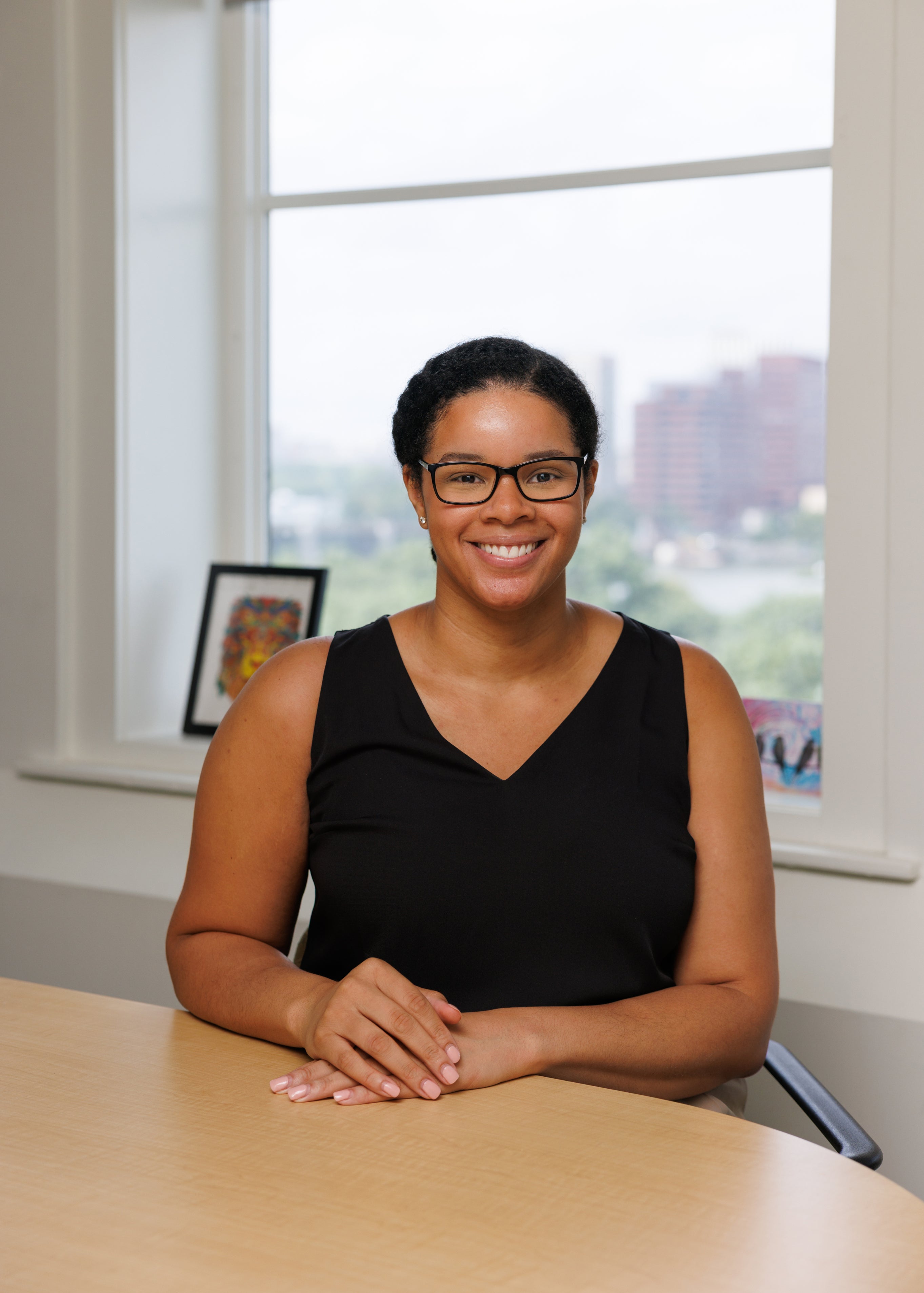
Meet Jyla Hicks, MD, MS: Matthew Perry Foundation Fellow in Addiction Medicine
Before it became the focus of her clinical practice, Jyla Hicks, MD, MS, witnessed the toll that addiction can take on those she loves. Her older sister struggled with substance use for nearly a decade before achieving lasting recovery. Then she lost three close family members in quick succession while she was in medical school.
“There’s a personal connection to this work for me,” she says. “I've seen the devastating impact addiction can have and the hope that recovery can bring.”
From Columbus, Ohio, Hicks is the first person in her family to go to college, attending North Carolina Central University. She then earned a master’s in Medical Sciences followed by her medical degree from Boston University (BU) School of Medicine. Today she is the Matthew Perry Foundation Fellow in Addiction Medicine at Massachusetts General Hospital (MGH). Established with a gift from the Foundation, the fellowship honors Perry’s unwavering commitment to helping those struggling with the disease of addiction and supports vital training to ensure hope and healing remain within reach for individuals and families affected by substance use disorder.
Led by Sarah Wakeman, MD, senior medical director for Substance Use Disorder at Mass General Brigham and a national leader in addiction medicine, and Jessica Gray, MD, interim director of the fellowship program, the year-long fellowship provides physicians with advanced training in the treatment of substance use disorders while preparing them to lead, advocate and address disparities in addiction care.
The Matthew Perry Foundation Fellowship launched in 2025, and Hicks is the second fellow supported by the Foundation. During National Recovery Month, we talked with Hicks about her personal and professional journey, her fellowship training at MGH and how she will apply it in the future to support underserved communities closer to home.
What was your first exposure to addiction medicine?
Hicks: While in medical school at BU, I took care of patients from the Mass and Cass community, which was at the center of Boston's opioid and homelessness crises. In my fourth year, I joined the addiction medicine consult team at Boston Medical Center (BMC) as an elective, and that experience really solidified the direction I wanted my career to take.
I loved the collaborative nature of the work and the people I worked alongside — the recovery coaches, the social workers, the physicians and most importantly, the patients.
I continued at BMC for Internal Medicine residency in large part because of that experience. There was something about caring for patients with substance use disorders that felt deeply meaningful to me. I felt connected to the patients and the work, and I knew this was a community I wanted to continue serving.
How has your family’s experience influenced your practice?
Hicks: My mom was exposed to addiction very early on in her life; she has seen generations of our family face it, including her daughter (Hicks’ sister). Throughout it all and still today, she continues to see people struggling with addiction with remarkable compassion and understanding.
I didn’t get here alone. My family made a lot of sacrifices to support me on this path. When I was going through undergrad and medical school, they were often at home doing the difficult work of caring for family members struggling with addiction. The least I could do is give back and I think this is my way of doing that. I feel privileged to have a background and perspective that I can bring when I take care of patients and their families. I know what parents and siblings of patients are going through, how scared they are. But along with their worry and concern, there is also hope. I know what it’s like to lean on the hope that recovery is possible.
What excited you about continuing your training as the Matthew Perry Foundation Fellow?
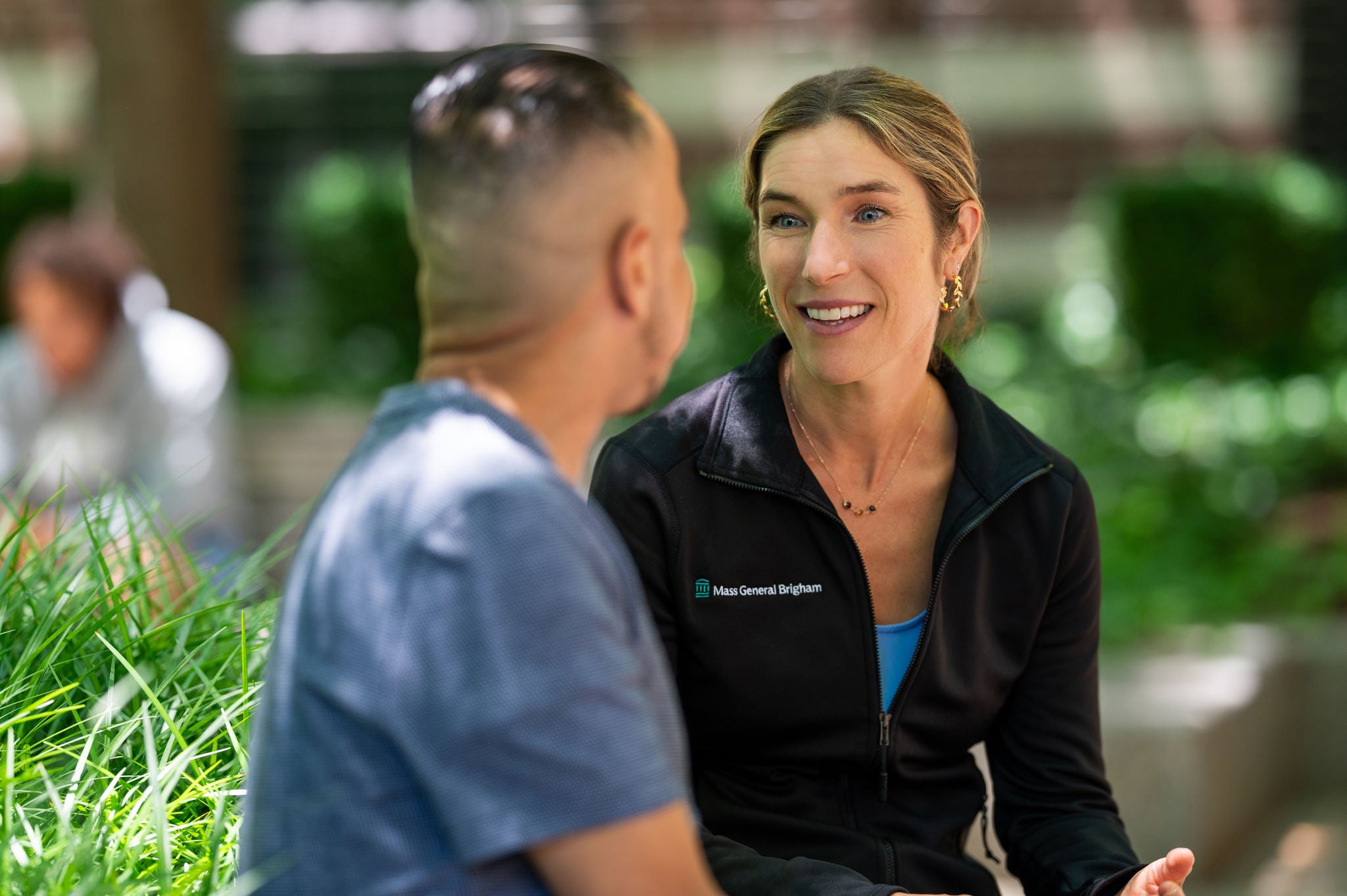
Hicks: MGH was one of my top choices because I wanted to train in an environment with the resources, multidisciplinary team structure and willingness to think innovatively about addiction care. There also was the opportunity to work closely with Dr. Wakeman. We shadowed her during orientation, and it was incredible to see her bedside manner and ability to make an immediate connection with every patient she encountered. Seeing how she practices, how personable she is and the empathy she displays, reinforced that I made the right decision for my own career. I feel incredibly fortunate to learn from Dr. Wakeman, Dr. Gray and the entire MGH team. My goal is to absorb as much as I can from this experience, continue developing my own approach to patient care and, ultimately, carry those lessons forward into the communities I serve.
Matthew Perry was passionate about raising awareness about the nature of addiction and eliminating the stigma around it. Does that resonate with you?
Hicks: Absolutely. Stigma can be a significant barrier to recovery. For those with a substance use disorder, it’s an extra burden to carry, the fear that they might be judged, that their condition might be seen as self-inflicted or that their concerns will not be taken seriously. Patients are coming to us at their most vulnerable moments — I’ve cared for patients shortly after they received Narcan, for example, and I’ve never taken for granted the trust they place in us during these moments. It’s our job as physicians to remove any biases that we may have and meet patients where they’re at, with compassion, without judgment and from a place of understanding. Recovery is not always linear. I know, from my personal and professional experience, that there are twists and turns along the way, but relapse is not failure. It is another opportunity to reconnect with someone, reassess what they need and continue moving toward recovery.
“For me the goal is bigger than treating individual patients. I want to help build systems that make compassionate, evidence-based addiction care more accessible.”
Jyla Hicks, MD, MS
- Matthew Perry Foundation Fellow in Addiction Medicine, Massachusetts General Hospital
What have you learned about addiction?
Hicks: Addiction is a complex medical condition, not a moral failing. Trauma, unmet needs and the circumstances surrounding a person can all play significant roles in both substance use and recovery. Addiction also intersects with so many other parts of patients’ lives and the challenging systemic impacts associated with race, gender, class or sexual orientation. Providing excellent addiction care requires more than clinical knowledge. It requires cultural humanity, empathy and understanding of the circumstances affecting each individual patient.
Patients appreciate honesty — you can be straightforward about your clinical assessment while still approaching someone with empathy and respect. My role is to listen, understand what matters to the patient and partner with them on a realistic plan for their care. At MGH, we work closely with social workers, peer recovery coaches and resource specialists with specialized training in addiction medicine. Addiction medicine takes a team effort, which is another reason why I love it.
What are your post-fellowship plans?
Hicks: I’m passionate about helping embed addiction medicine into other aspects of healthcare, particularly primary care. Substance use disorders are incredibly common, yet addiction medicine can still feel separate from the rest of healthcare. I want to help change that. My goal is to practice both primary care and addiction medicine, including on the inpatient side.
I’ve been fortunate to train in Massachusetts in an environment that dedicates a lot of resources to addiction treatment. I’ve seen the effectiveness of what is possible when patients have access to innovative and evidence-based treatment and a strong multidisciplinary care system. But addiction medicine doesn’t look the same everywhere; there isn’t the same access to the types of care that exist here. I want to take what I’ve seen and learned here and help bring these models of care to communities where the need is great and resources may be more limited, whether that ultimately takes me back to Ohio or somewhere else. For me the goal is bigger than treating individual patients. I want to help build systems that make compassionate, evidence-based addiction care more accessible and ensure patients can receive that care wherever they enter the healthcare system.