FaceAge and the Next Frontier of Patient Care
Doctors rely on many sources of information to guide treatment—family history, lab tests and imaging scans, among others. But like anyone else, clinicians can also be influenced by what a patient looks like when they walk into the room.
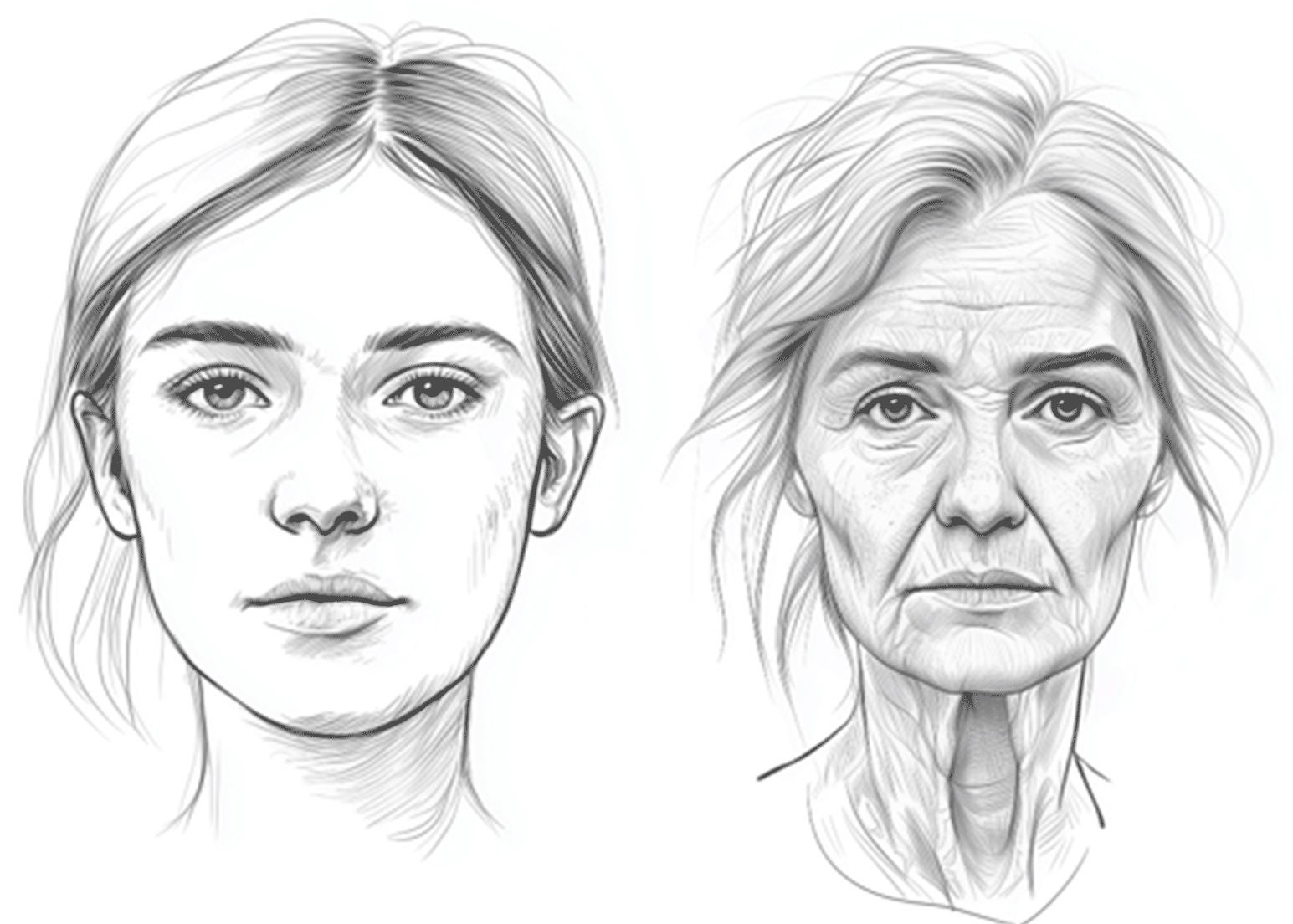
Some people look older or younger than the age listed on their birth certificate. Two 65-year-olds with the same diagnosis can present very differently—one appearing vigorous, another frail—and that impression may sway a decision on how aggressive a treatment plan to take.
That kind of subjective “eyeball test” prompted researchers at Mass General Brigham’s Artificial Intelligence in Medicine Program (AIM) to ask: Could a face reveal a more objective measure of health?
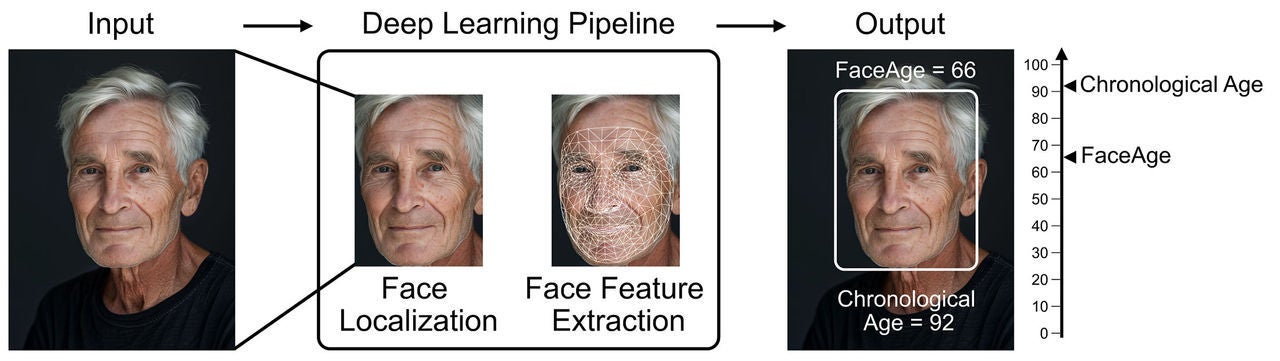
From that idea emerged FaceAge, an artificial intelligence (AI) tool designed to estimate biological age rather than chronological age, or the number of years since birth. Biological age reflects how healthy or resilient the body appears physiologically, which may differ from chronological age.
“A simple face photograph contains far more information about health than we previously understood,” said Hugo Aerts, PhD, director of the AIM program. “FaceAge helps transform visual clues that physicians already recognize intuitively into a measurable biomarker that may improve how we assess health, personalized treatment, and monitor aging over time.”
Doctors rely on many sources of information to guide treatment—family history, lab tests and imaging scans, among others. But like anyone else, clinicians can also be influenced by what a patient looks like when they walk into the room.
Some people look older or younger than the age listed on their birth certificate. Two 65-year-olds with the same diagnosis can present very differently—one appearing vigorous, another frail—and that impression may sway a decision on how aggressive a treatment plan to take.
That kind of subjective “eyeball test” prompted researchers at Mass General Brigham’s Artificial Intelligence in Medicine Program (AIM) to ask: Could a face reveal a more objective measure of health?
From that idea emerged FaceAge, an artificial intelligence (AI) tool designed to estimate biological age rather than chronological age, or the number of years since birth. Biological age reflects how healthy or resilient the body appears physiologically, which may differ from chronological age.
“A simple face photograph contains far more information about health than we previously understood,” said Hugo Aerts, PhD, director of the AIM program. “FaceAge helps transform visual clues that physicians already recognize intuitively into a measurable biomarker that may improve how we assess health, personalized treatment, and monitor aging over time.”
What a face can teach doctors about cancer care
The first version of FaceAge was trained on nearly 60,000 photos of presumed healthy people.
To explore whether the model could be clinically useful, the team turned to patients with cancer. Aerts and Raymond Mak, MD, both in the Department of Radiation Oncology at Mass General Brigham Cancer Institute, know that all patients receiving radiation have a reference photo taken at the start of their treatment as part of routine safety measures.
They tested FaceAge on reference photos from nearly 6,200 cancer patients and compared the results with healthy controls. On average, cancer patients appeared about five years older than their chronological age, and those with higher FaceAge scores experienced worse survival rates across multiple cancer types.
The findings were striking, suggesting that a simple photograph or selfie can contain health information that doctors may eventually use to personalize care.
“Aging is one of the most important risk factors in many diseases, including cancer, yet we haven’t been able to measure it objectively in clinical practice,” said Mak, who is also a faculty member in the AIM program. “This approach offers a noninvasive window into an overall healthcare approach that goes beyond traditional metrics.”
A recent follow-up study examined more than 24,500 cancer patients over age 60 who received radiation therapy. FaceAge exceeded chronological age in about 65% of patients, and those estimated to be 10 or more years “older” than their chronological age had significantly worse survival outcomes.
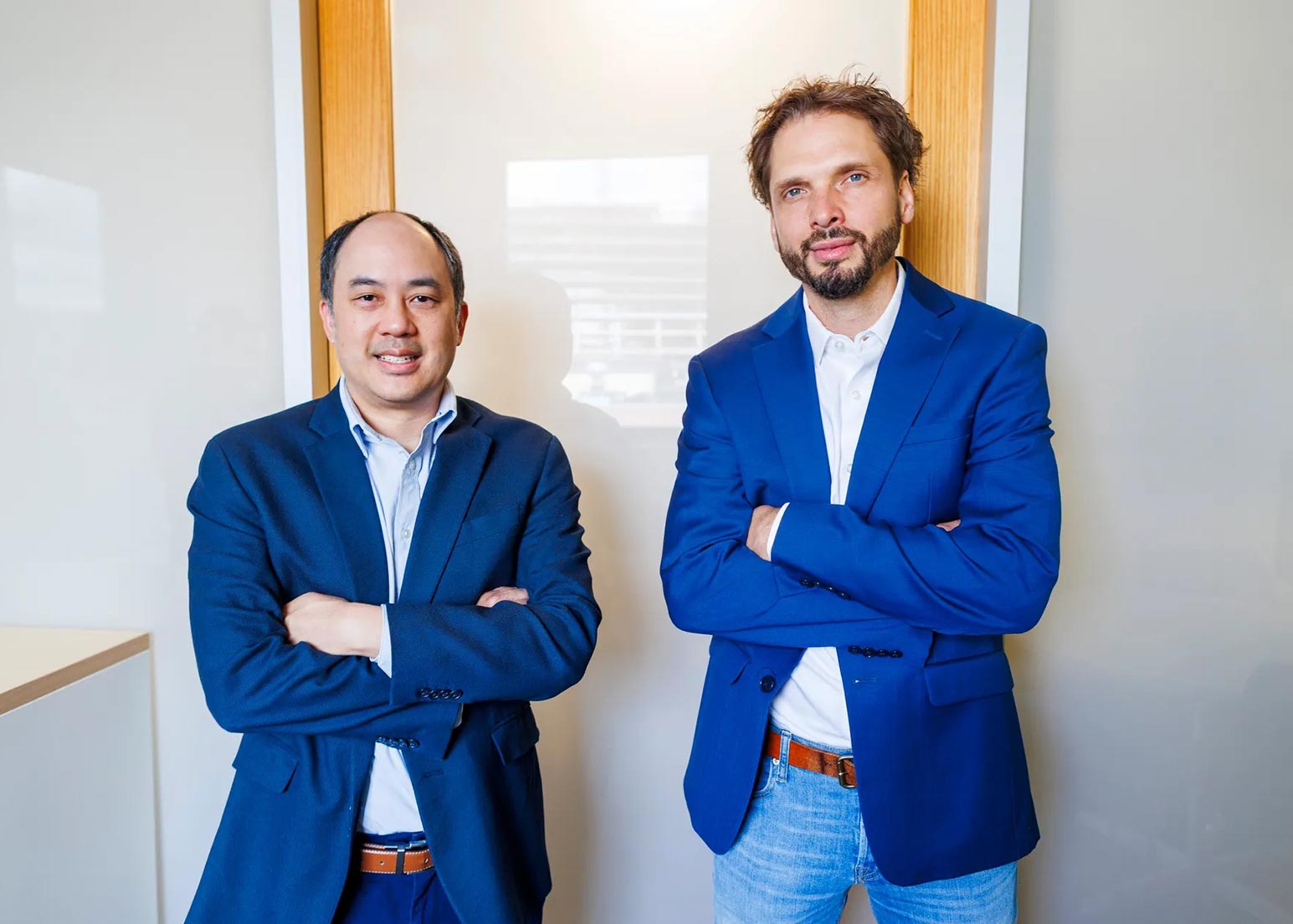
Raymond Mak, MD, and Hugo Aerts, PhD
Tracking Aging During Treatment
The researchers then explored whether changes in facial aging during cancer treatment carried additional prognostic information. They developed the Face Aging Rate (FAR), a longitudinal measure capturing how quickly a patient’s facial appearance changes over time.
In a study published in April, they found that cancer patients whose faces appeared to age faster during treatment had significantly lower chances of survival. The study also found that, for many patients, facial aging outpaced normal aging by roughly 40%, and the fastest accelerations were linked to the poorest outcomes.
“Our study suggests that measuring FaceAge over time may refine personalized treatment planning and improve how we counsel our patients and guide the frequency and intensity of their follow-up care,” said Mak.
Bringing FaceAge to the clinic
The researchers stress that FaceAge is not a stand-alone diagnostic, and that a doctor should always be in the loop to make final care decisions. They also note that more research is needed to refine the tool for clinical use, and several of those efforts are well underway.
The team has been actively refining the next model—a “FaceAge 2.0,” trained on tens of millions of images—and testing how factors such as cosmetic procedures and race may affect results. They are also launching clinical trials to evaluate how well FaceAge-related measures predict outcomes. The researchers have also opened a public study portal where anyone can sign up, participate in the study and provide a photo to receive an estimated FaceAge.
“A simple photo may one day help reveal how a patient is aging beneath the surface,” said Aerts. “That could change how we think about disease, treatment, and even healthy aging.”