Cancer Institute patients, care teams and Community Care Van take the field at Gillette Stadium
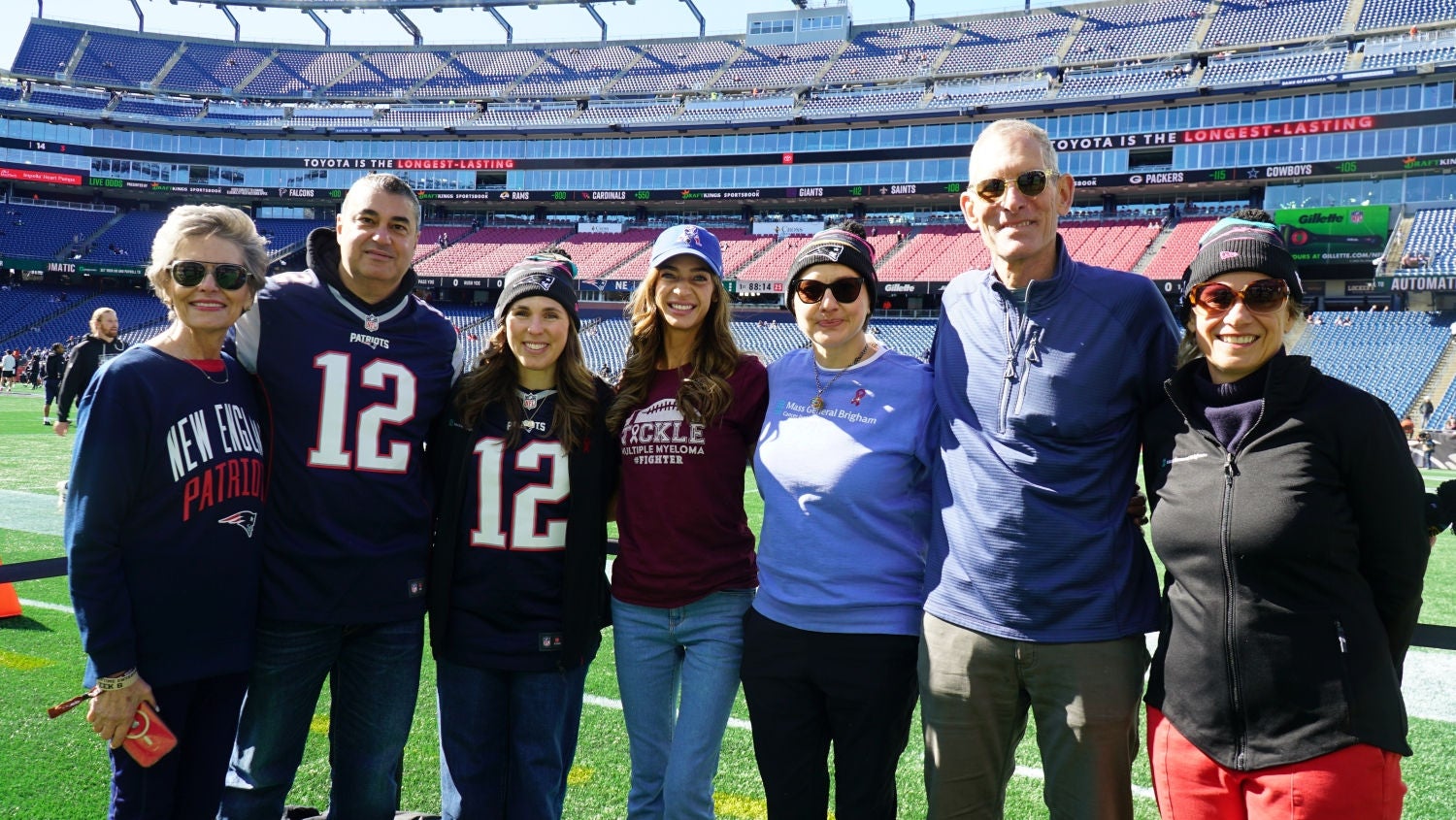
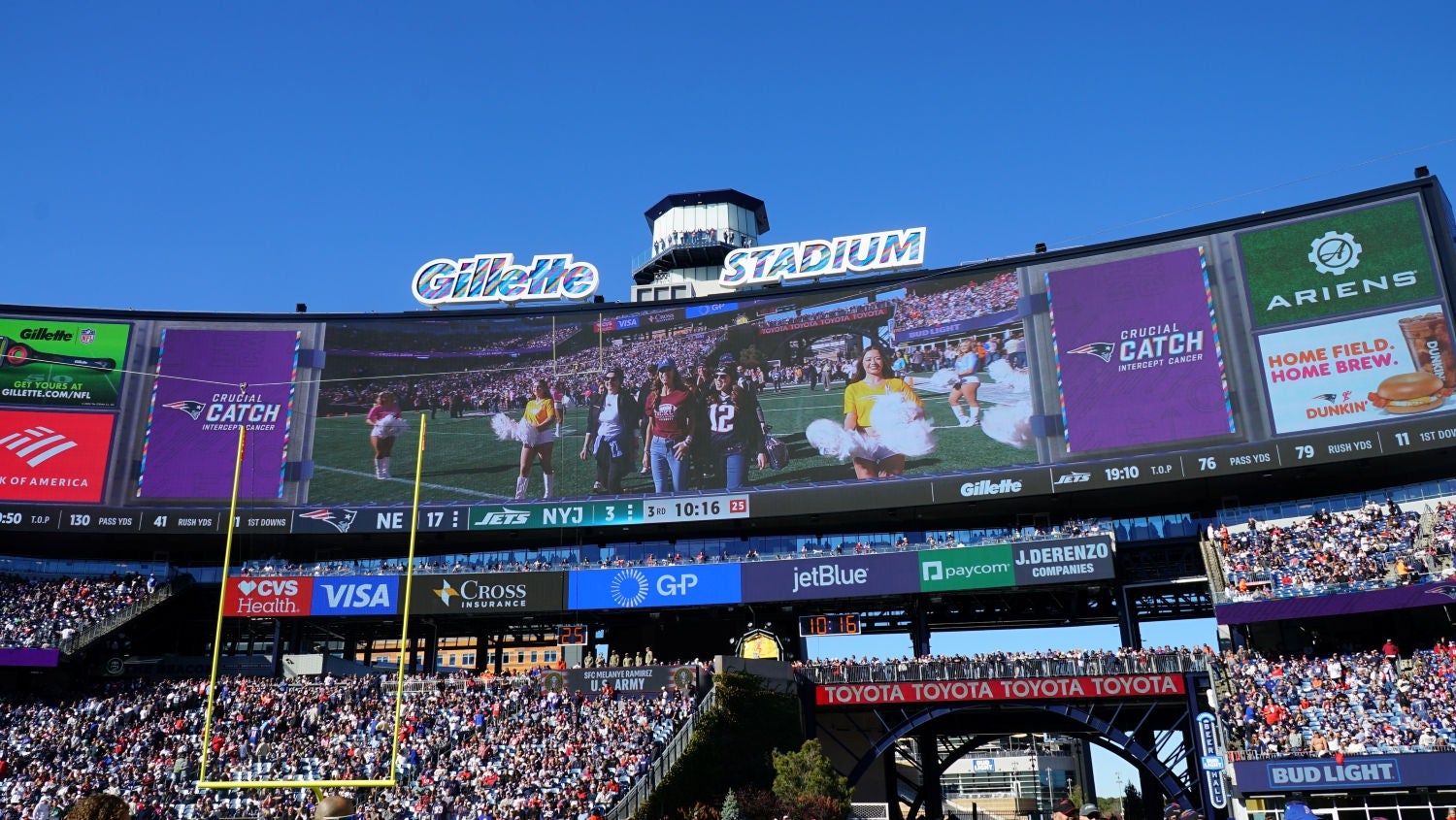
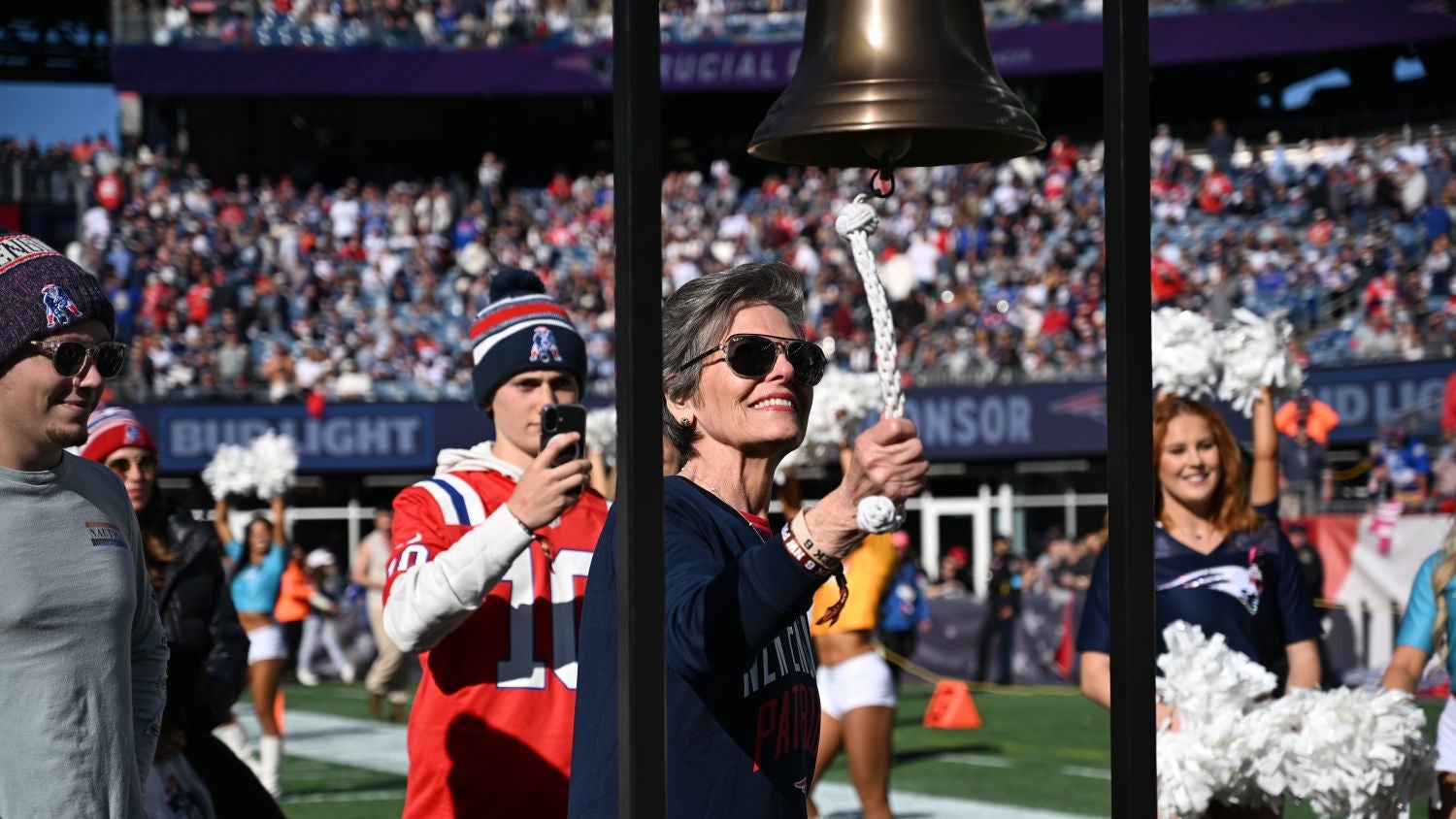
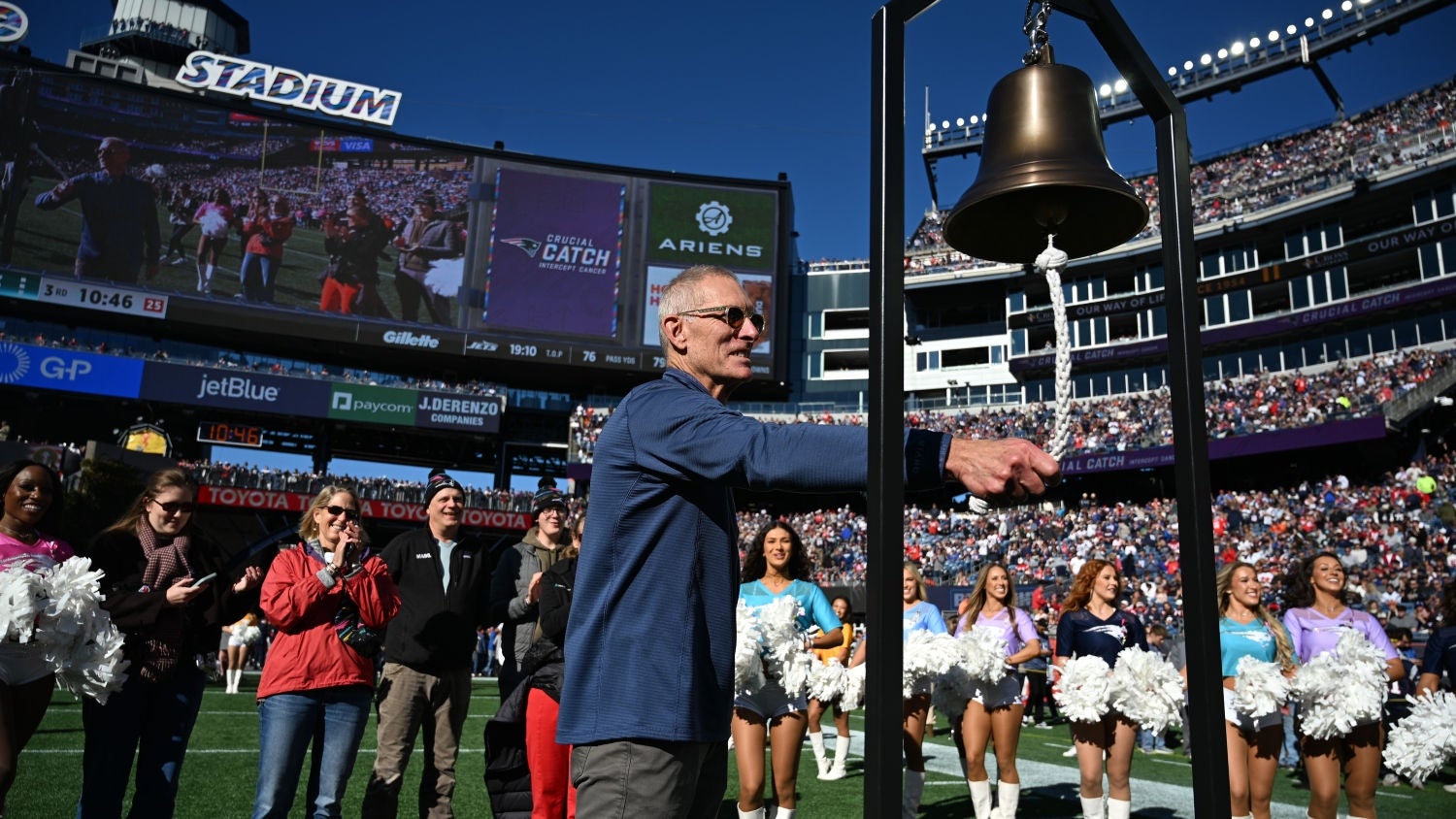
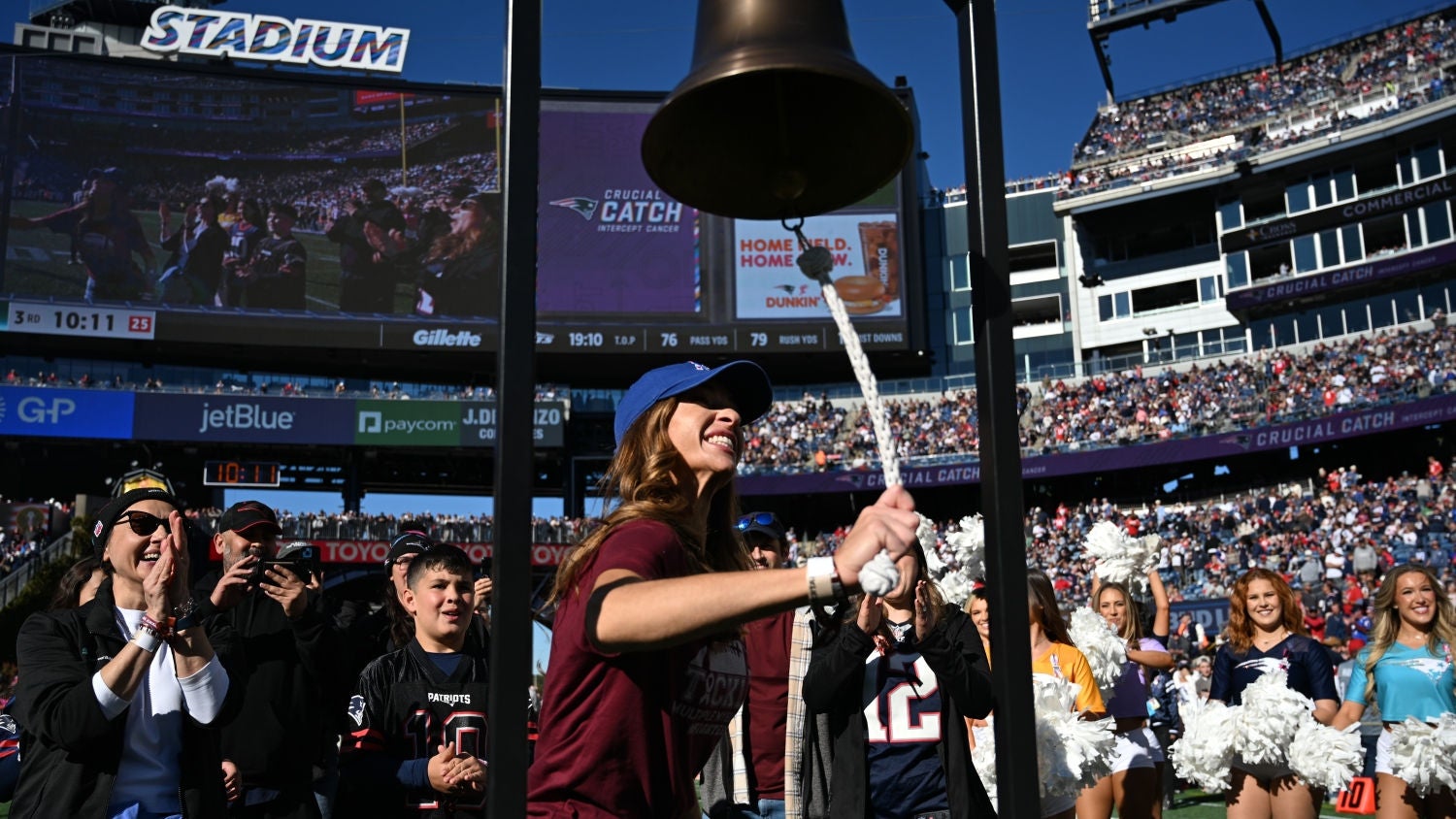
The crowd at Gillette Stadium roared with excitement as three all-stars took the field last Sunday. They weren’t Patriots players, though.
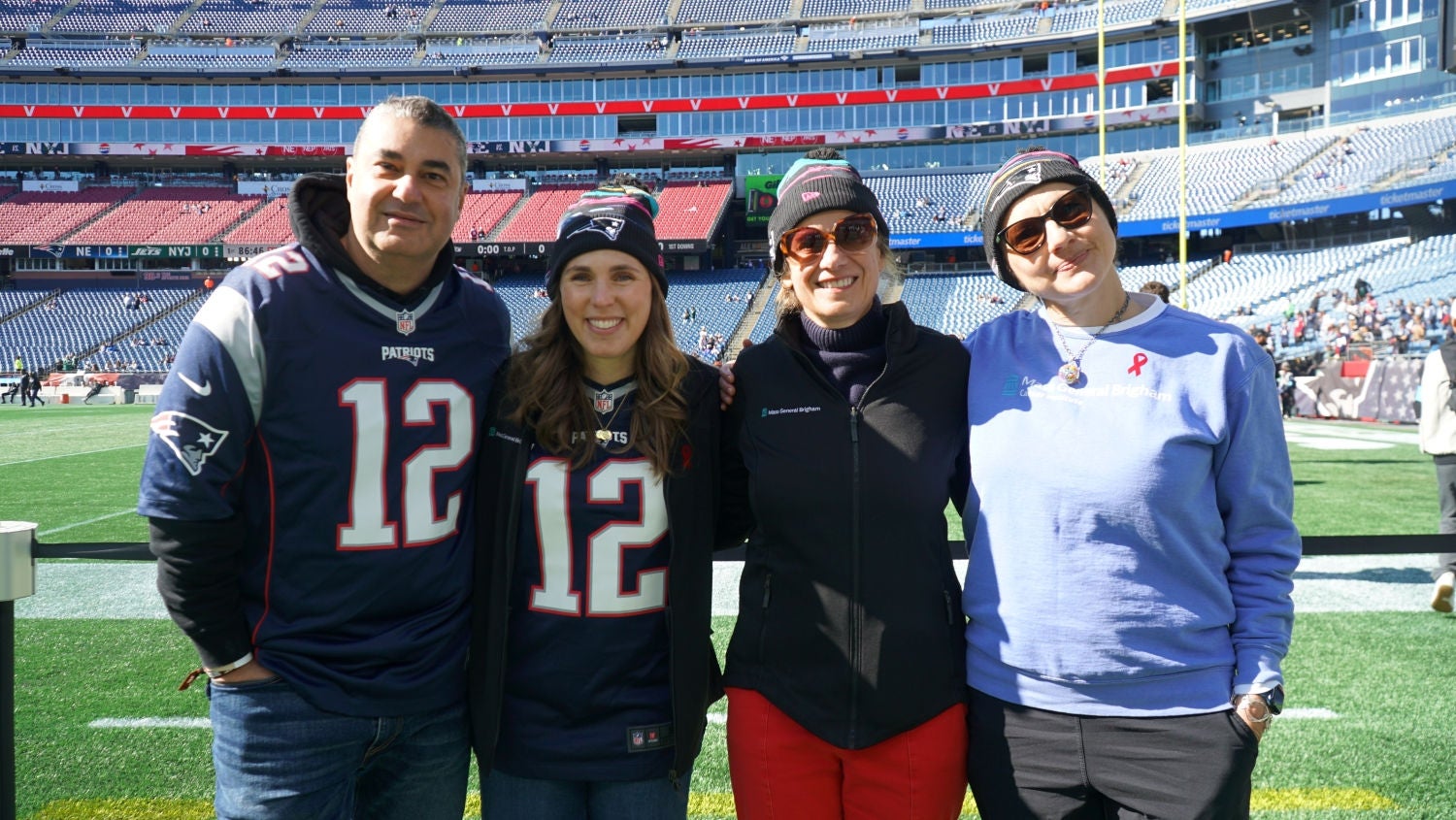
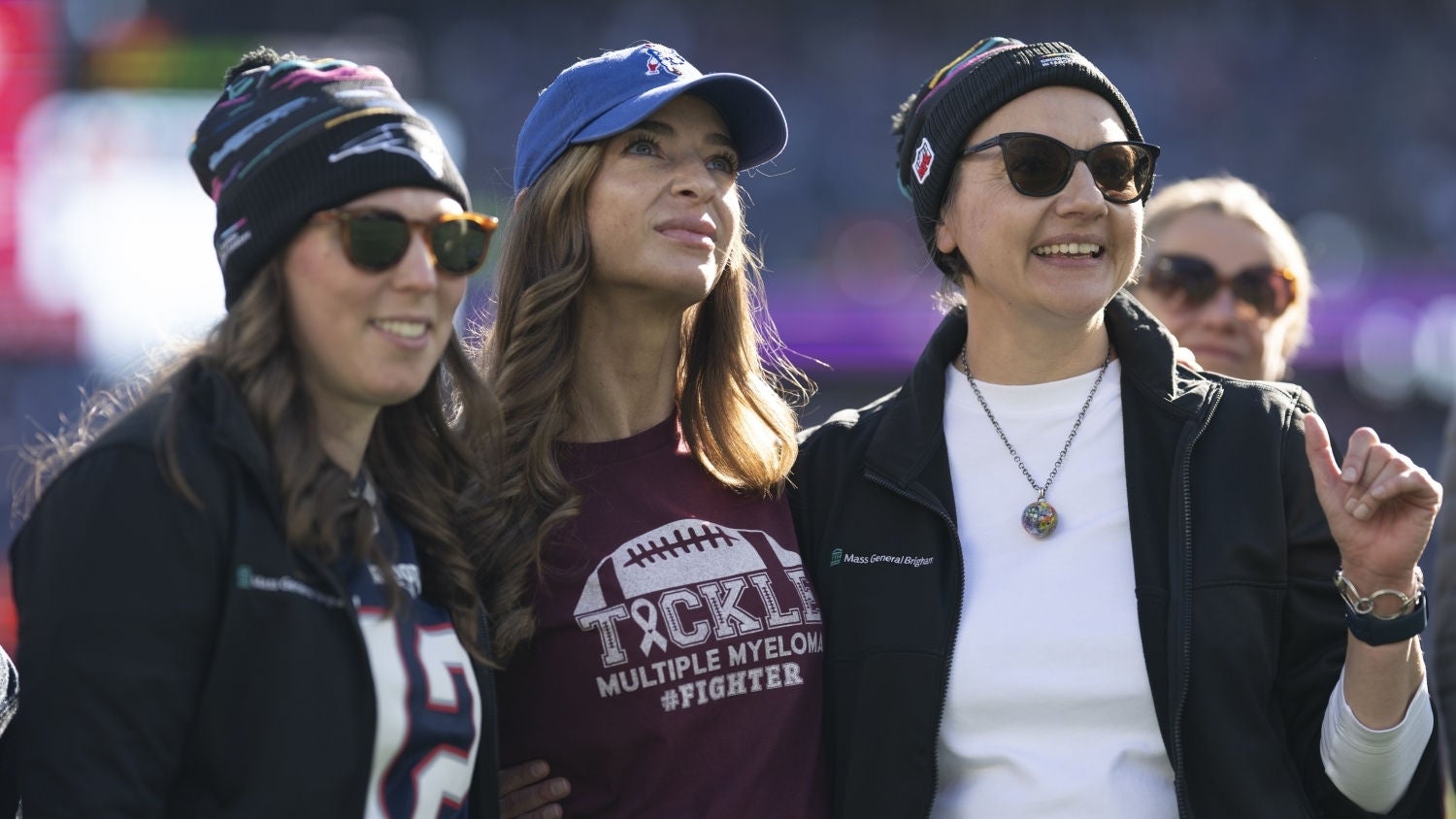
Three patients of the Mass General Brigham (MGB) Cancer Institute who overcame devastating cancer diagnoses were honored for their strength and resilience during the New England Patriots’ halftime ceremony on Oct. 18. Joined by members of their MGB Cancer Institute care teams, patients Tess Lopes, Irene Wells and Karl Helfrich were invited to “ring the bell” on the field to signify their triumph over cancer. Ringing a brass bell is a tradition in oncology clinics, marking the end of cancer treatment or other meaningful milestones.
The trio was recognized as part of Crucial Catch, a joint campaign of the NFL and American Cancer Society to fight cancer through prevention and early detection and by addressing the unequal burden of cancer in under-resourced communities. Each year, patients, their care teams and community partners are honored during the NFL’s Crucial Catch: Intercept Cancer games around the country.
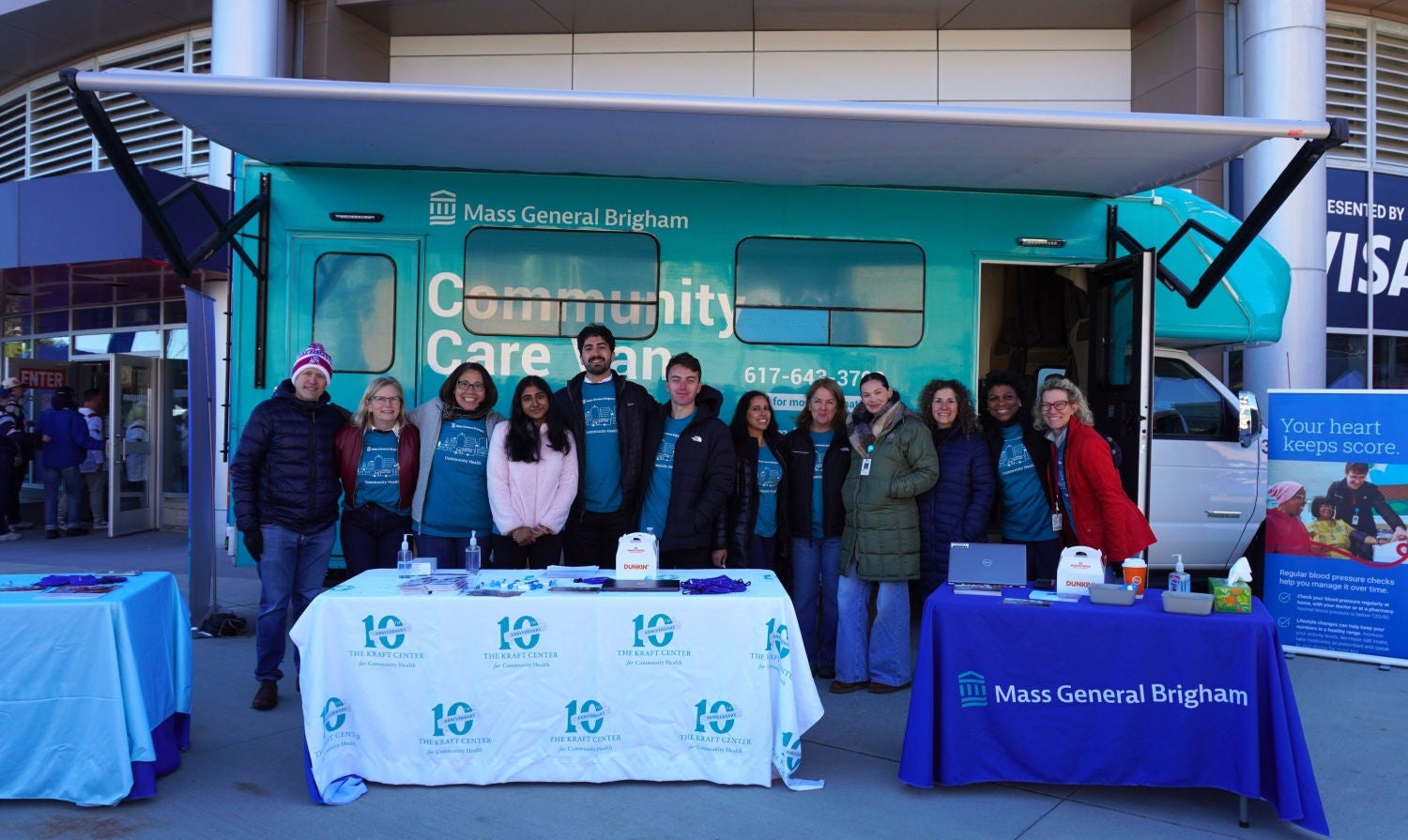
This year, the Mass General Brigham Kraft Center for Community Health, Community Care Vans and MGB Cancer Institute staff also teamed up to bring cancer screening education and prevention directly to the community as the Pats faced off against the New York Jets.
During this special outreach event at Gillette, the team engaged more than 300 people in conversations about cancer screening, prevention and early detection. In addition to providing education and outreach on prostate, breast, cervical, lung and colon cancer screening, staff assisted several attendees with scheduling lung cancer screening and beginning at-home colon cancer screening.
Supported by the Patriots Foundation and the American Cancer Society, this initiative reflects Mass General Brigham’s commitment to making preventive care more accessible by meeting people where they are. By bringing cancer screening education and testing opportunities into a familiar, high-traffic community setting, the Community Care Vans help raise awareness, encourage preventive care and connect individuals with appropriate screening resources.
Learn more about the honorees
In 2024, at just 35 years old, Lopes was diagnosed with a highly aggressive form of multiple myeloma, a rare blood cancer called plasma cell leukemia. After end-stage kidney failure, 14 months of dialysis and several failed lines of treatment, her care team — led by medical oncologist Diana Cirstea, MD, and nephrologist Danielle Saly, MD, MPH — never gave up hope and found a new path forward. Today, Lopes is off dialysis and remains in remission more than a year after completing CAR T-cell therapy. Cirstea and Saly joined Lopes on the field alongside her family.
Wells, a retired teacher from Las Vegas, underwent aggressive chemotherapy and radiation treatment after being diagnosed with stage 4 pancreatic cancer that had spread to her liver. Soon after, her care team — led by Motaz Qadan, MD, PhD, MS, who joined her on the field at Gillette — performed a Whipple procedure, a complex surgery used to remove tumors at the head of the pancreas. Today, she has no evidence of cancer.
Helfrich, a physical oceanographer who has worked at Woods Hole Oceanographic Institution for more than 35 years, was diagnosed six years ago with glioblastoma — an aggressive form of brain cancer — after suddenly losing the ability to speak coherently. He underwent brain surgery followed by chemotherapy and radiation, then volunteered for a clinical trial led by neurosurgeon Alexandra Golby, MD, that used focused ultrasound to help chemotherapy cross the blood-brain barrier. He was back to cycling three weeks after surgery and is proud that his clinical trial participation helped advance treatment for future brain cancer patients. Golby joined him and his family on the field to celebrate.