Mass General Brigham Advances the Future of Early Cancer Detection and Diagnosis
Mass General Brigham is reshaping how cancer is identified and diagnosed, building a systemwide model designed to catch disease earlier, connect patients to answers and speed seamless access to specialized care. At the center of this effort is the Early Detection and Diagnostics Program (EDDx) within the Mass General Brigham Cancer Institute.
The program is a central component of the Cancer Institute’s strategy to care for patients before, during and after cancer. EDDx is centered on the knowledge that the earlier the stage at which a cancer is found, the greater the opportunity for successful treatment and long-term survival.
Early detection requires more than screening; it demands coordination, speed and precision across an increasingly complex healthcare landscape. As detection efforts become more personalized and experts learn more about specific patient populations, traditional large-scale screening efforts are increasingly complemented by precision diagnostics, which clinical leaders say will eventually become the norm.
“Patients have the best chance for the best outcome if we can find cancer at its earliest stage, often before symptoms appear,” said Lecia Sequist, MD, MPH, director of Mass General Brigham’s EDDx Program and a medical oncologist at the Mass General Brigham Cancer Institute. “Not only is early detection better for patients, but it’s also a more effective way to mitigate cancer risk at a population level. Our program identifies those who might be at risk using the most advanced tools and connects patients with the right care as quickly as possible.”
Mass General Brigham’s EDDx Program harnesses the system’s breadth of expertise, informed by leading-edge developments in risk prediction and cancer diagnostics, with a goal of reducing cancer morbidity and mortality, improving screening and workup of screening findings, and providing longitudinal care for high-risk patients. As the Cancer Institute advances its strategy, the program has expanded—bringing together multidisciplinary teams throughout the system and opening a new location at the Brigham and Women’s Hospital campus in addition to its first site in Waltham and virtual visit capabilities.
Bridging a critical gap in care
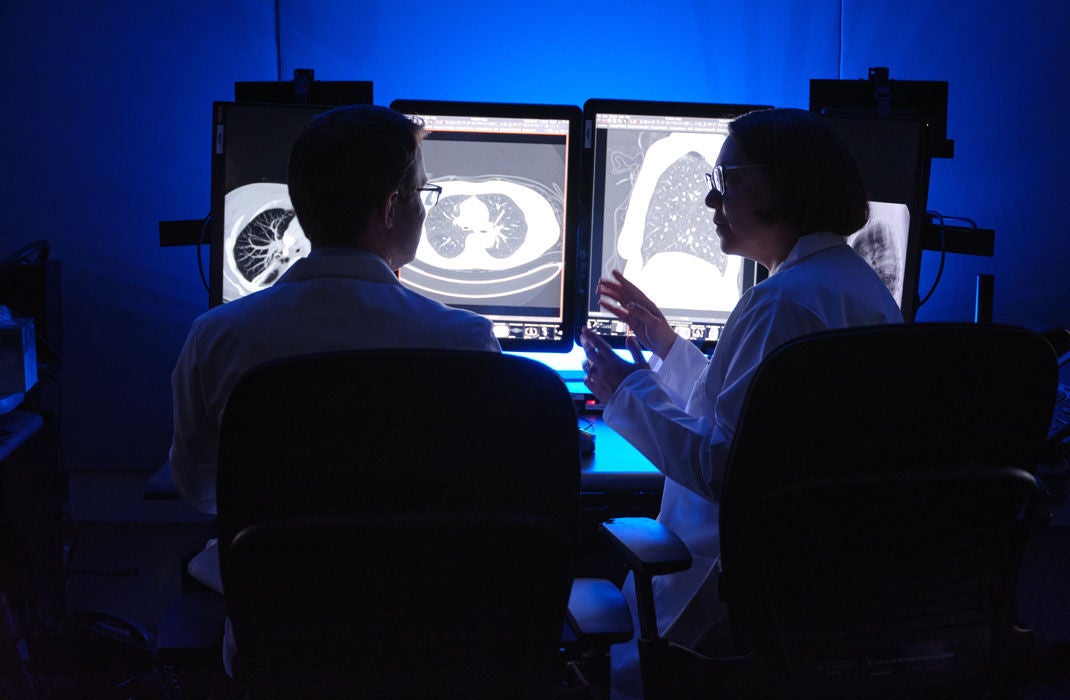
Another key component of caring for patients prior to a cancer diagnosis is expediting workups of abnormal findings. In today’s healthcare environment, imaging studies such as CT scans and MRIs are performed more frequently than ever. While these tools are invaluable, they often reveal incidental findings—unexpected abnormalities that may or may not represent cancer. For patients and providers, these findings can trigger uncertainty, delays and fragmented follow-up care.
The EDDx Program was built to close that gap.
By creating a centralized pathway for evaluating suspicious findings, the program connects patients directly to a multidisciplinary team that includes oncologists, radiologists, surgeons and advanced practice providers. From the moment a concerning lesion is identified, the team coordinates next steps, whether that involves additional imaging, biopsy, molecular testing, or referral to additional subspecialists.
The goal is simple: Eliminate unnecessary delays and reduce the burden on patients navigating a complex system.
“Our EDDx Program is shaping the future of precision diagnostics and is unique in its ability to draw on the very best multidisciplinary teams to evaluate findings and connect patients with the right care,” said David Ryan, MD, president of the Mass General Brigham Cancer Institute.
“Expediting and facilitating a multidisciplinary workup is essential,” added Doug Micalizzi, MD, a medical oncologist at the Cancer Institute and clinical director of EDDx. “We are focused on streamlining patient navigation and ensuring that expertise is brought together quickly around each case.”
A hub-and-spoke model for the future
What distinguishes the program is not only its speed but also its structure. EDDx operates in a “hub-and-spoke” model, with a central clinic supported by specialized programs focused on distinct patient populations and risk profiles.
EDDx’s Pulmonary Nodule Program provides multidisciplinary evaluation of small lung nodules, which are common findings that can represent anything from benign changes to early-stage lung cancer. By having thoracic surgeons, interventional pulmonologists, and cancer specialists review the patients together, a full plan for workup and treatment can be formulated all at the start of the care journey—saving valuable time and avoiding logistical hurdles for patients.
EDDx’s High-Risk Breast Program provides multidisciplinary evaluation for patients with risk factors such as family history and abnormal prior breast biopsy results that increase breast cancer risk. Close coordination between oncologists, breast surgeons and genetic counselors allow patients to seamlessly access enhanced screening and risk-reducing treatments if necessary. Additional “spokes” target high-risk groups, such as patients with hereditary cancer syndromes or precancerous conditions.
This approach reflects a broader shift toward precision prevention and population health. By identifying individuals at elevated risk—based on family history, genetics, environmental exposures or medical diagnoses—the program aims to intervene earlier, often before cancer develops.
Integrating expertise across a system
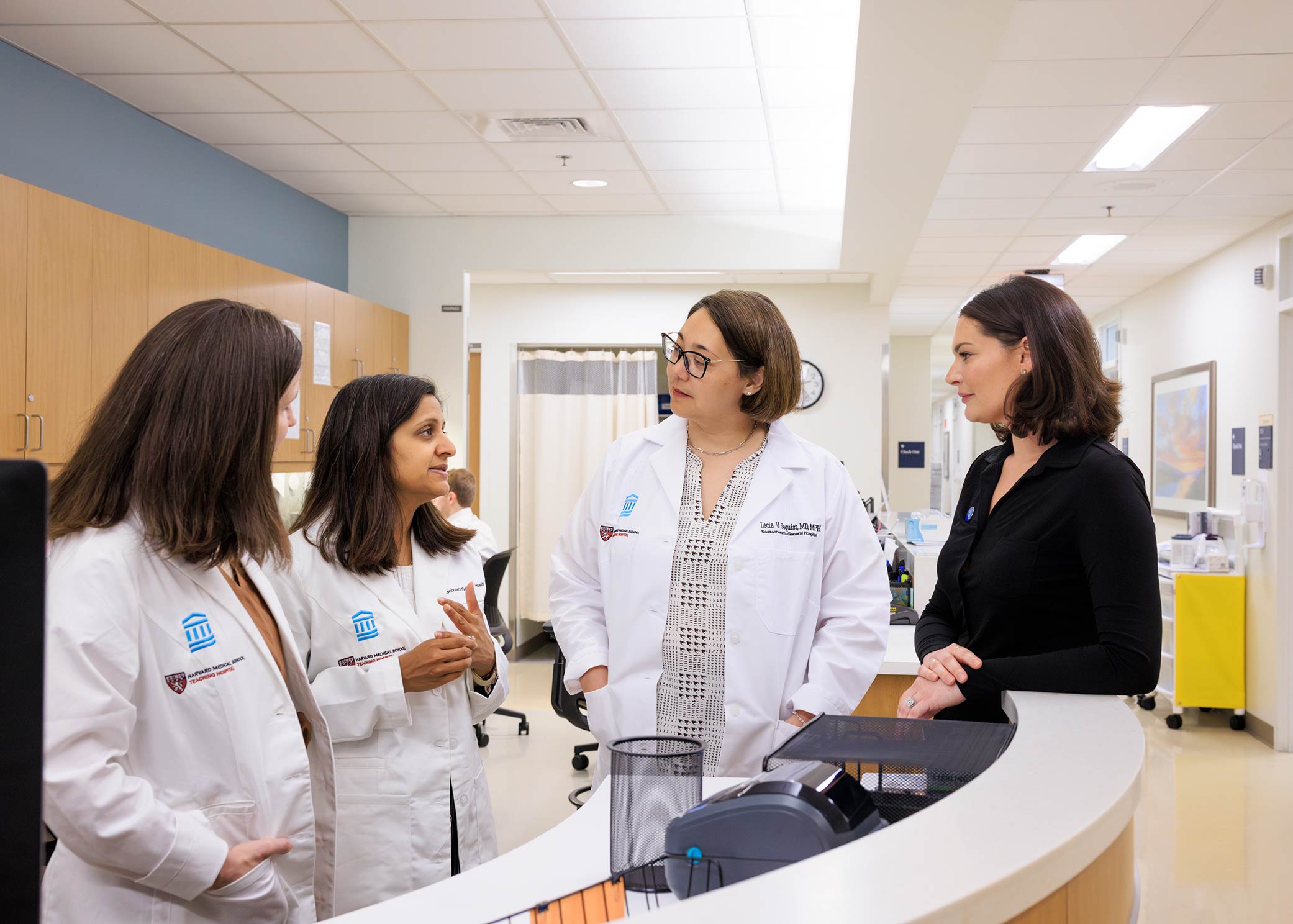
A key advantage of the Mass General Brigham model is the depth of expertise available within a single, integrated health system. Rather than referring patients across disconnected networks, EDDx brings specialists together in real time to guide decision-making.
“At Mass General Brigham, our network of world-class experts is ready to work together quickly. That’s something few other systems can offer,” Sequist said.
The program's multiple sites of care, paired with its virtual visit capability, expand access while maintaining a high level of coordinated care.
Looking ahead
As the program evolves, leaders plan to integrate more services across Mass General Brigham, each with appropriate multidisciplinary teams able to assess individual risk factors and recommend precision screening and treatment. Meanwhile, advances in imaging, molecular diagnostics and risk assessment are opening new possibilities for detecting cancer at its earliest and most treatable stages.
EDDx is designed to serve as the infrastructure that brings those innovations into clinical practice, ensuring they are delivered efficiently and equitably.
For Sequist, the vision is clear: a future in which cancer is identified earlier, diagnosed faster and treated more effectively—changing outcomes for patients across the system.
“We are building a model that not only addresses today’s challenges but also anticipates where cancer care is headed,” she said. “By focusing on early detection and coordinated diagnostics, we have an opportunity to fundamentally improve how—and when—we find cancer.”